Understanding the Psychology of Travel Preferences
Travel preferences are deeply personal, influenced by a variety of psychological factors. Understanding these preferences not only enriches our travel experiences but can also help tailor more meaningful journeys. This article explores the psychology behind why we choose certain destinations, activities, and experiences when we travel.
Understanding the Basics
Many users report that their travel choices are often driven by individual experiences, cultural background, and psychological needs. According to research by the Journal of Travel Research, people's motivations for travel can be categorized into several key factors, including relaxation, adventure, cultural exploration, and social interaction. Understanding these motivations is crucial, as it can help in designing personalized travel experiences that resonate with individual desires.
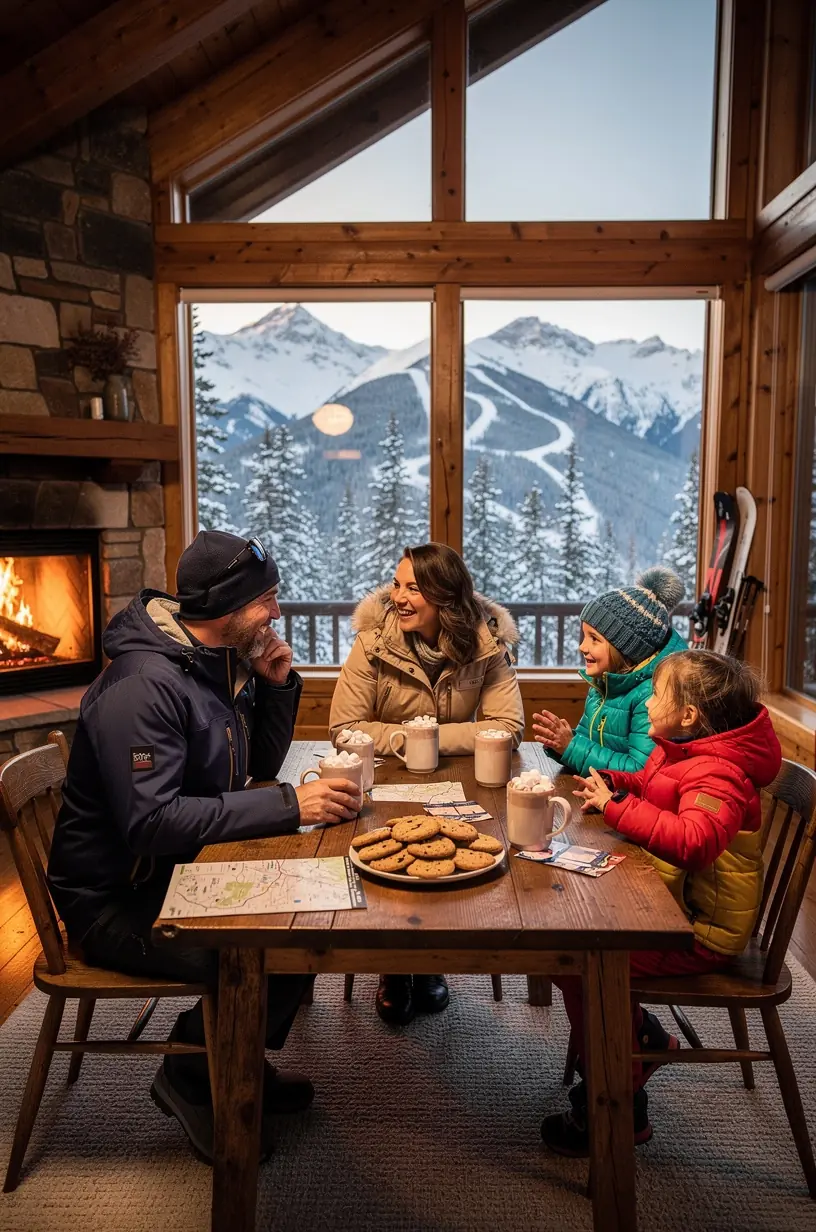
"Travel preferences are often shaped by a combination of personal experiences and psychological needs, making it essential to understand these factors for tailored journeys."
Key Psychological Factors Influencing Travel Preferences
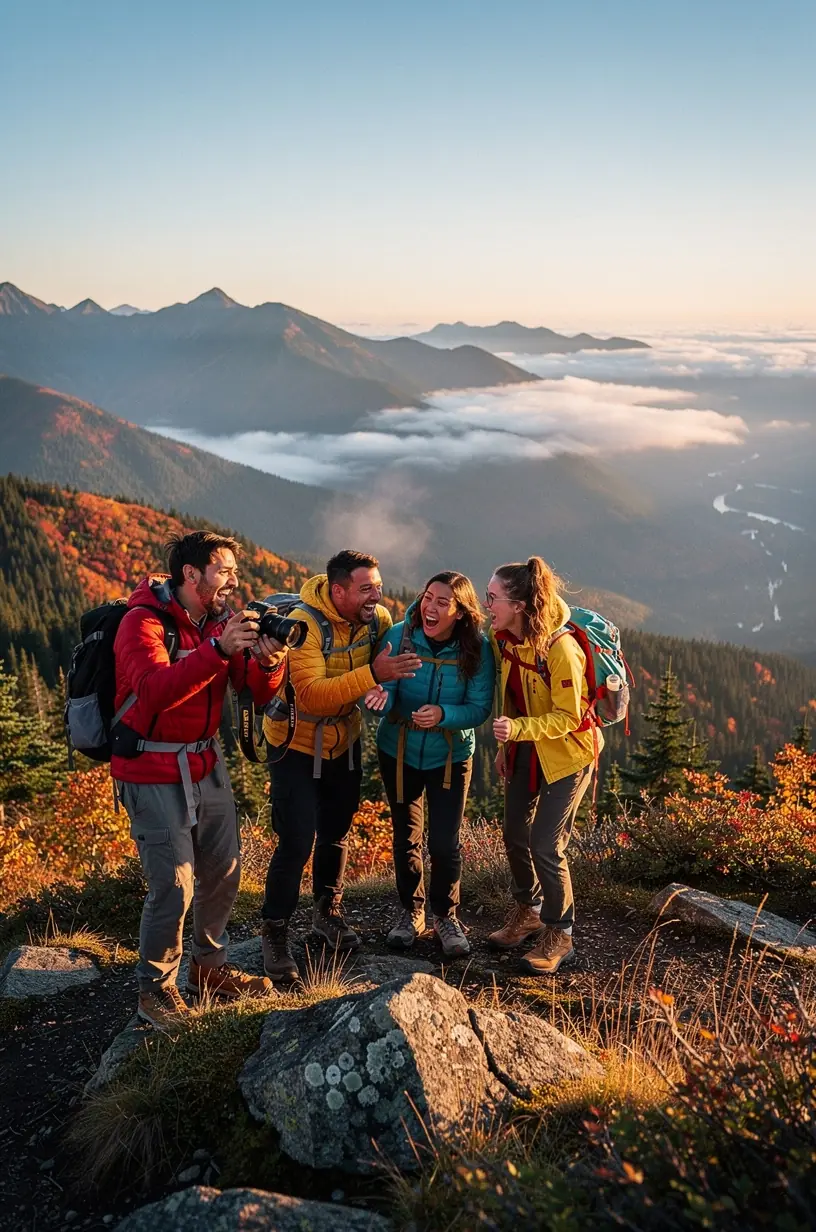
- Personality Traits: Research shows that extroverted individuals may prefer social travel experiences, such as group tours, while introverts often seek solitude or intimate settings. Understanding these traits can guide travel planning to enhance enjoyment.
- Cultural Background: Experts recommend considering cultural influences when planning trips, as they can significantly impact preferences. For example, individuals from cultures that value family may prioritize family-oriented destinations and activities.
- Past Experiences: Many travelers base their future choices on past experiences. According to a study by the American Psychological Association, positive memories from previous trips can lead to a preference for similar experiences in the future.
Practical Application of Travel Psychology
Understanding the psychology behind travel preferences can significantly enhance the travel planning process. Here are some actionable insights:
- Identify your travel personality: Reflect on past travel experiences and preferences to determine your travel style. This typically involves considering factors like whether you enjoy socializing or prefer solitude.
- Consider cultural influences: Acknowledge your cultural background and values when planning trips. This helps ensure that the journey aligns with your intrinsic motivations.
- Utilize social validation: Often, travelers look to reviews and recommendations from peers. Studies suggest that sharing experiences with others can create a sense of validation, making group travel more appealing.
Conclusion
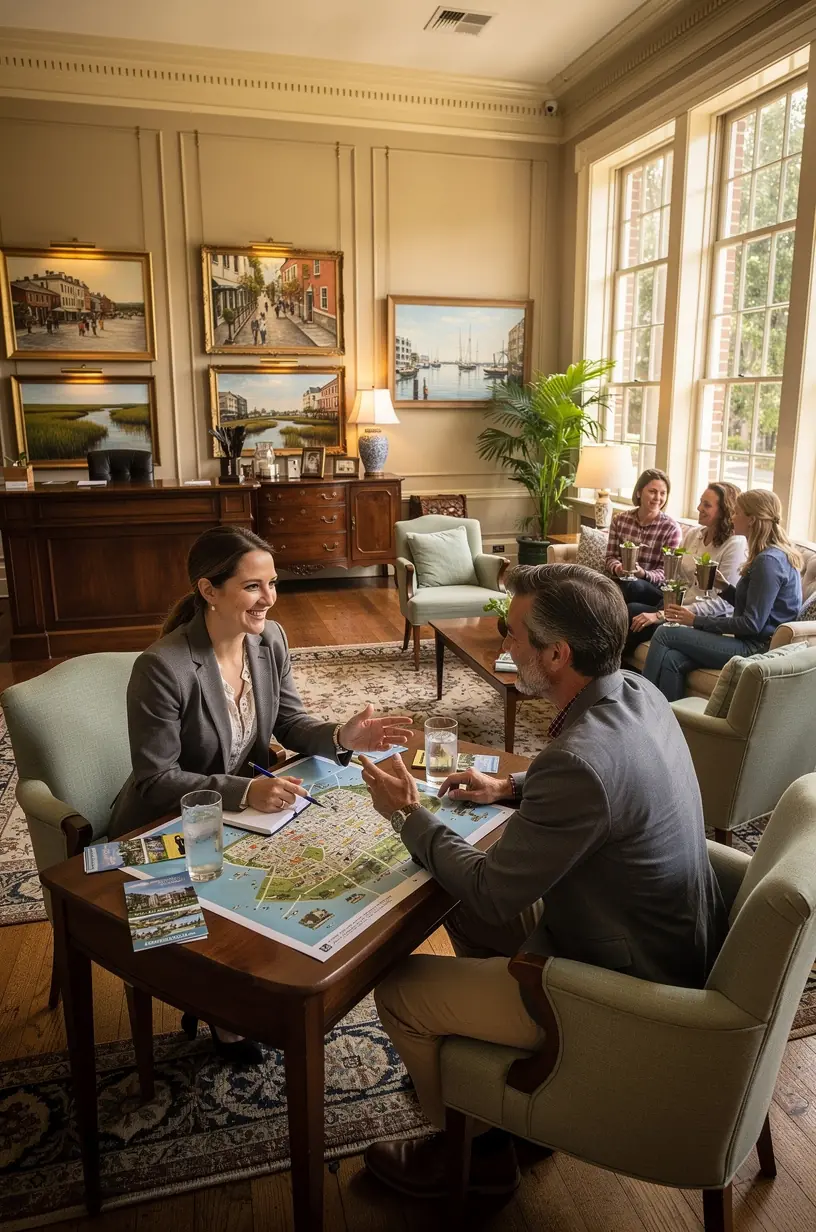
Understanding the psychology of travel preferences is essential for creating personalized journeys that resonate with travelers' needs and desires. By considering factors such as personality traits, cultural influences, and past experiences, you can craft travel experiences that are both fulfilling and enriching. This process typically requires thoughtful reflection and possibly the help of travel professionals who can assist in tailoring experiences that reflect these psychological elements. By prioritizing educational insights over promotional tactics, we can help travelers make informed decisions that lead to memorable and meaningful adventures.
Explore More